All Categories
Featured
Table of Contents
- – The Overlooked Growth Lever: Dental Answering ...
- – How To Choose The Best Dental Practice Managem...
- – From Software To Seo: How To Scale A Profitab...
- – Stop Losing Leads Overnight: Use A Dental Ans...
- – The Ultimate Guide To Dental Practice Manage...
- – Stop Losing Leads Overnight: Use A Dental An...
Managing a thriving dental business takes more than technical ability alone. The most successful practices rely on modern digital tools that streamline scheduling, billing, and patient care. Here’s a deep dive into the tools, systems, and strategies that keep dental teams productive — from PPM platforms to billing automation and patient communication.
Not long ago, many dental offices used outdated desktop systems to book patients and track billing. It used to be manageable, but modern practices now deal with far more complexity. Patient expectations have evolved dramatically. That’s where an integrated dental system is now non-negotiable.
The Overlooked Growth Lever: Dental Answering Services + Smart Scheduling
PPM tools are the backbone of any clinic. They bring together administration, imaging, billing, and analytics into a single unified dashboard. Instead of juggling multiple systems, you can handle scheduling, treatment, and billing all in one place. The result is happier patients and more consistent cash flow.
Why some practice systems outperform others is the ability to centralize and interpret data. Consider this scenario, if insurance pre-authorizations sync with billing, the entire workflow becomes faster. Analytic tools inside most modern PPMs reveal bottlenecks and missed revenue opportunities. Having these insights empowers better business decisions.
Finding the best system for your team depends on your size and workflow. Dentrix by Henry Schein remains a leader with robust modules for reporting, imaging, and billing. Eaglesoft is favored by clinics that value detailed charting. Open Dental offers flexibility and affordability. Curve Dental simplifies multi-location management. Each has strengths and quirks. Run short trials with your team and simulate your clinic’s busiest week. Training quality is the difference between success and frustration.
Staff alignment are underestimated when new platforms go live. Even the best program fails if workflows match user habits. It helps to appoint an internal champion who understands both operations and software. Host mini refreshers to see how adoption is progressing. Small incremental coaching pays off massively later.
How To Choose The Best Dental Practice Management Software For Your Clinic
Appointment management tools are now smarter dramatically. AI-driven scheduling now handle confirmations and cancellations with built-in patient communication. Most platforms sync rooms, hygienists, and chairs seamlessly. Efficient scheduling boost chair utilization. Digital booking links are now standard, letting new visitors schedule from their phones. This approach is fewer missed calls.
One overlooked advantage of advanced scheduling tools is data tracking. You can measure peak hours, cancellation rates, and rebooking patterns. Such metrics inform pricing and promotions. For example new patients prefer weekend slots, it gives you control, not guesswork.
Payment systems and revenue cycles are another critical layer. Handling claims by hand leads to rejected claims and delays. Integrated clearinghouse connections shorten payment cycles. Some systems instantly verify insurance, meaning better financial transparency. Digital billing portals reduce accounts receivable aging. Tracking claim acceptance rates stops small issues from compounding.
From Software To Seo: How To Scale A Profitable Dental Practice
High-volume practices also adopt revenue analytics tools. These link payments, expenses, and insurance data. With automation, reconciliation becomes instant. You’ll know which procedures are most profitable. Financial clarity like that gives owners peace of mind.
Marketing is where practice management meets growth. No dental practice thrives on referrals alone anymore. Strong local SEO help fill chairs consistently. Claim and enhance your Google listing, encourage real patient reviews, and build localized mini-sites. Patient-friendly content that explain procedures simply improve rankings and authority.
CRM-linked email and SMS campaigns are becoming essential. Platforms that merge patient info and marketing channels keep your clinic top of mind. Campaigns can target missed appointments. Such targeted outreach turns one-time visits into long-term loyalty.
Stop Losing Leads Overnight: Use A Dental Answering Service
Paid ads and retargeting amplify reach fast. Focus within 10-15km radius for keywords like “teeth whitening in City”. Use remarketing ads. Promote seasonal specials to turn browsers into bookings.
Another underused marketing and operations tool is the professional call handling partner. Even with good scheduling software, a ringing phone can cost you revenue. Dental answering services answer calls when your team can’t. They can book directly into your calendar. This is especially valuable for emergencies and new patient calls after hours. Practices that add phone coverage grow new patient intake by double digits. Internally linking your marketing content about answering services and patient communication creates smooth navigation between topics.
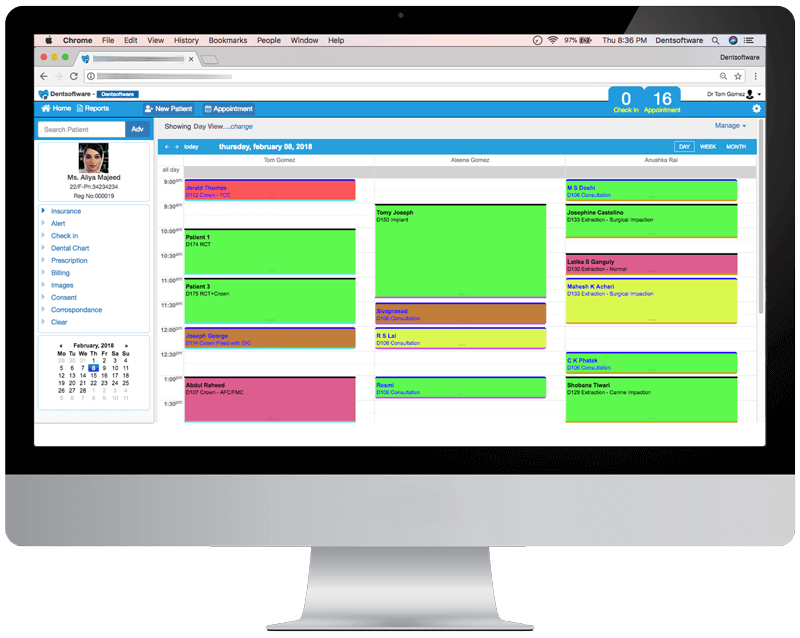
After integrating operations and marketing, growth accelerates naturally. Smarter workflows reclaim hours, while data visibility enables smarter choices. Simply put, this means more efficiency, fewer errors, and higher margins.
The Ultimate Guide To Dental Practice Management Software In 2025
To implement effectively:Select your main PPM. Test it thoroughly before full rollout.Set up messaging automation. Appointment confirmations, recalls, and feedback requests cut cancellations.3. Simplify billing. Use ERA and online payments.Invest in local SEO and retargeting. Link service articles internally.5. Monitor results. Trends in reviews or ad cost guide your next optimizations.Stay agile. Technology will keep changing, so build a culture that embraces adaptation.
The modern dental practice runs on systems, not stress. Once your digital stack and human team are in sync, you gain predictable growth and happier patients.
Stop Losing Leads Overnight: Use A Dental Answering Service
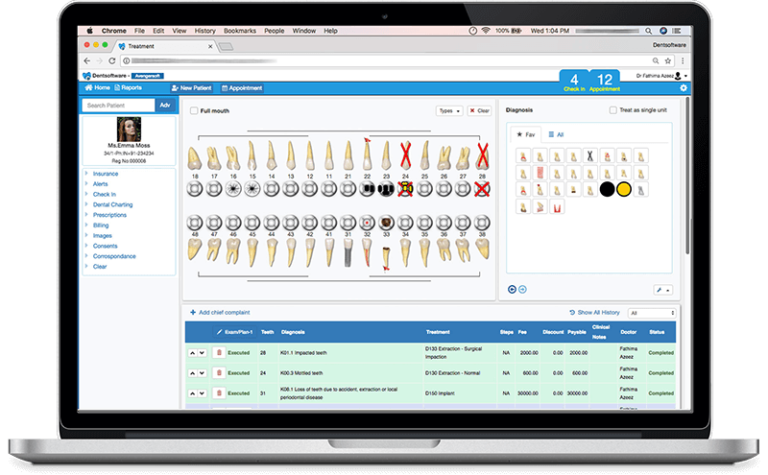
If you’d like to explore how dental answering services, automation, or practice management content can interlink for SEO, click here.

Table of Contents
- – The Overlooked Growth Lever: Dental Answering ...
- – How To Choose The Best Dental Practice Managem...
- – From Software To Seo: How To Scale A Profitab...
- – Stop Losing Leads Overnight: Use A Dental Ans...
- – The Ultimate Guide To Dental Practice Manage...
- – Stop Losing Leads Overnight: Use A Dental An...
Latest Posts
Technology That’s Transforming The Dental Industry (And How To Use It)
The Secret To Better Patient Retention: Dental Answering Service Integration
The Hidden Costs Of Poor Scheduling In Dental Clinics (And How To Fix Them)
More
Latest Posts
Technology That’s Transforming The Dental Industry (And How To Use It)
The Secret To Better Patient Retention: Dental Answering Service Integration
The Hidden Costs Of Poor Scheduling In Dental Clinics (And How To Fix Them)