All Categories
Featured
Table of Contents
- – The Ultimate Guide To Dental Practice Manageme...
- – The Perfect Pair: Dental Practice Management S...
- – Best Dental Practice Management Systems For M...
- – What Is Dental Practice Management Software (...
- – Want More Patients? Integrate Marketing Tool...
- – Dental Practice Management: Software, Schedu...
Running a dental practice today takes more than dentistry expertise. The most successful practices rely on integrated software that automate day-to-day operations. This article explores the tools, systems, and strategies that keep dental teams productive — from practice management software to billing automation and patient communication.
In the past, most dental clinics used outdated desktop systems to handle records and reminders. That model was fine for a single-dentist clinic, but growth-focused clinics need faster, smarter systems. Regulatory requirements have increased year after year. This is why practice management software has become essential.
The Ultimate Guide To Dental Practice Management Software In 2025
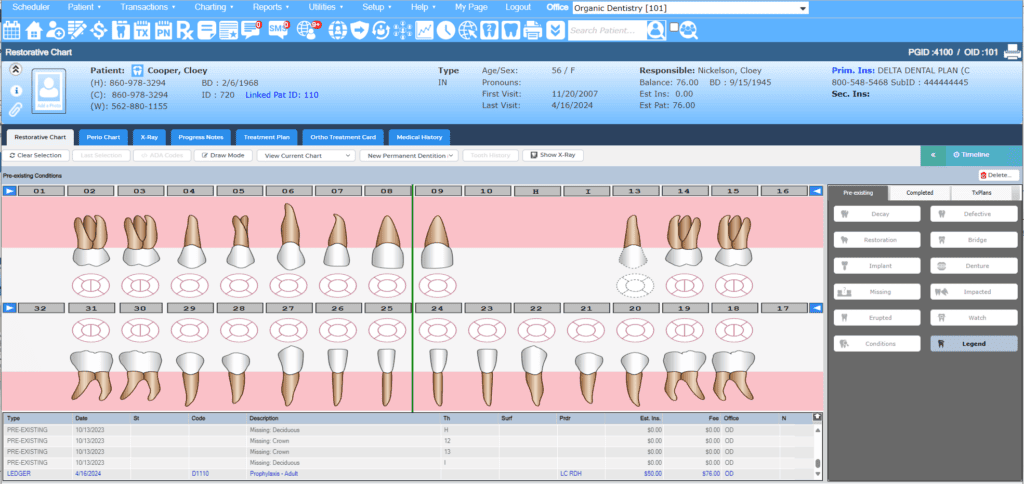
PPM tools are the central nervous system of any clinic. They bring together administration, imaging, billing, and analytics into a centralized interface. Instead of juggling multiple systems, you can handle scheduling, treatment, and billing all in one place. The result is time saved, fewer errors, and better patient care.
The difference between leading platforms and basic tools is in how well they connect and measure results. Consider this scenario, when patient reminders link to scheduling analytics, data entry and mistakes drop by half. Built-in dashboards reveal bottlenecks and missed revenue opportunities. Having these insights empowers better business decisions.
Finding the best system for your team depends on your size and workflow. Dentrix by Henry Schein remains a leader with robust modules for treatment planning, imaging, and analytics. Eaglesoft is strong in radiography integration. Open-source platform Open Dental is popular for transparency and lower cost. The cloud-based system Curve Dental is ideal for practices that want access anywhere. Every system has pros and cons. Run short trials with your team and have staff test common scenarios. Staff comfort is the difference between success and frustration.
Staff alignment are often overlooked when new systems roll out. Technology only works if the team knows how to use it effectively. Designate a tech lead who bridges the gap between admin and IT. Host mini refreshers to see how adoption is progressing. Small incremental coaching builds culture around technology use.
The Perfect Pair: Dental Practice Management Software + Answering Service
Patient scheduling systems has evolved dramatically. Automation now handle confirmations and cancellations with real-time updates. Modern systems offer waitlist management and resource allocation. Efficient scheduling reduce downtime. Many practices also add online booking widgets, letting patients self-book appointments. This approach is fewer missed calls.
One overlooked advantage of advanced scheduling tools lies in their reporting dashboards. Reports can highlight bottlenecks and downtime. This data inform pricing and promotions. Say you notice certain hygienists have repeat reschedules, it gives you control, not guesswork.
Financial management inside dental practices determine long-term profitability. Handling claims by hand is slow and error-prone. Automated claim submission shorten payment cycles. Many PPMs now include real-time eligibility checks, meaning fewer surprises for patients. Payment plans and automatic reminders boost on-time payments. Monitoring KPIs like “days in A/R” keeps the business side visible.
Best Dental Practice Management Systems For Modern Clinics
Many growing dental offices connect accounting and banking software. These link payments, expenses, and insurance data. No more waiting for end-of-month surprises. You’ll track how seasonality impacts revenue. Such data integration gives owners peace of mind.
Marketing is where practice management meets growth. No dental practice thrives on referrals alone anymore. Smart ad campaigns generate steady leads. Ensure your GBP is verified, encourage real patient reviews, and create “service + suburb” landing pages. Educational articles that explain procedures simply improve rankings and authority.
Marketing automation now play a huge role. Tools integrated with your practice software can send timely recall reminders, reviews, and reactivations. Messages can include birthday offers or seasonal promos. That consistent engagement keeps your chairs booked months ahead.
What Is Dental Practice Management Software (And Why It Matters In 2025)?
Paid ads and retargeting generate immediate patient inquiries. Run local campaigns for keywords like “dentist near me”. Re-engage those who visited but didn’t book. Promote seasonal specials to turn browsers into bookings.
A powerful but overlooked efficiency upgrade is the dental answering service. Even with good scheduling software, you can still lose leads after hours. Dedicated reception centers provide 24/7 patient support. They integrate with most PPM systems. This is especially valuable for urgent weekend inquiries. Clinics using an answering service see improved retention. Embedding contextual links about 24-hour reception and phone handling builds topical authority.
Once your systems are aligned, growth accelerates naturally. Integrated systems cut manual tasks, while consistent communication builds loyalty. Simply put, this means fewer no-shows, faster payments, and happier patients.
Want More Patients? Integrate Marketing Tools With Your Dental Software
A proven sequence looks like this:Select your main PPM. Ensure integrations are configured.Set up messaging automation. SMS reminders, reactivation sequences, and review requests keep your chairs filled.3. Simplify billing. Adopt e-invoicing and dashboards.Create ongoing content campaigns. Drive authority and conversions together.Review analytics. Data on scheduling gaps or claim delays keep you improving.Stay agile. Patient expectations will rise, so revisit your workflows every six months.
A future-ready clinic thrives on integration, not improvisation. By aligning your technology, communication, and marketing, you create a truly modern practice.
Dental Practice Management: Software, Scheduling, Billing & Marketing Explained

If you’d like to explore how dental answering services, automation, or practice management content can interlink for SEO, click here.
)
Table of Contents
- – The Ultimate Guide To Dental Practice Manageme...
- – The Perfect Pair: Dental Practice Management S...
- – Best Dental Practice Management Systems For M...
- – What Is Dental Practice Management Software (...
- – Want More Patients? Integrate Marketing Tool...
- – Dental Practice Management: Software, Schedu...
Latest Posts
Technology That’s Transforming The Dental Industry (And How To Use It)
The Secret To Better Patient Retention: Dental Answering Service Integration
The Hidden Costs Of Poor Scheduling In Dental Clinics (And How To Fix Them)
Latest Posts
Technology That’s Transforming The Dental Industry (And How To Use It)
The Secret To Better Patient Retention: Dental Answering Service Integration
The Hidden Costs Of Poor Scheduling In Dental Clinics (And How To Fix Them)